Interactive wool flow
Click through each stage of the wool pathway to see what decisions matter, what common errors look like, and what records improve traceability for buyers.
Built to help compare farms using the same production language.

A rustic overview of how pasture, flock health, and wool handling connect.
Clean handling reduces contamination and supports clearer grading decisions.
Moisture control and labelling improve traceability and buyer confidence.
Divarnuk is an educational resource built for people exploring sheep farming and wool production with an Ireland centered lens. Instead of selling a single product, we organize practical explanations that help you evaluate operations, understand common cost drivers, and interpret the signals you see in wool and meat markets. You will find clear diagrams for the wool journey, guidance on what tends to affect fleece quality, and a grounded discussion of pricing trends and seasonality.
If you are considering investment, our aim is to help you move from broad interest to structured questions: What is the flock health plan, how is grazing managed, what handling steps reduce contamination, what outlets are realistic, and what assumptions should be tested before allocating capital. Sustainability is treated as a management discipline, covering pasture recovery, stocking rates, and basic animal welfare practices. The content is written to be readable without specialist jargon while still supporting deeper due diligence.
Learn the building blocks behind flock performance, land requirements, and operational pathways. Use checklists to structure site visits, partner discussions, and scenario planning without relying on hype.
We focus on realistic inputs such as labour, animal health routines, infrastructure, and how output quality connects to sale channels.
Explore a simple, interactive diagram that shows shearing, sorting, grading cues, storage, and marketing. Each stage highlights practical choices that protect fleece value.
The goal is better decision making, whether you are investing in an existing farm or learning how a new operation might perform.
Understand rotational grazing basics, rest periods, and stocking considerations that support resilient pasture. Pop up explainers cover what to observe on the ground.
Sustainability is framed as operational durability, helping reduce avoidable stress on land and animals over time.
A rustic, data aware toolkit designed to support evaluation of sheep operations connected to Ireland wool and meat output. Each feature is built to be readable, accessible, and suitable for ad platform policies with clear disclosures and no exaggerated claims.
Click through each stage of the wool pathway to see what decisions matter, what common errors look like, and what records improve traceability for buyers.
Built to help compare farms using the same production language.
Hover cards summarize common drivers behind Irish wool pricing discussions, including grade sensitivity, contamination, and collection timing.
Designed for context rather than predictions or promises.
Clear reminders on operational risks, animal welfare expectations, and record keeping. Useful as discussion prompts when speaking with farm managers or partners.
Supports transparent decision making without misleading claims.
Stepwise guidance that helps you build understanding from pasture basics to wool handling and market routes, with plain language definitions.
Useful for first time investors and operators aligning on shared terms.
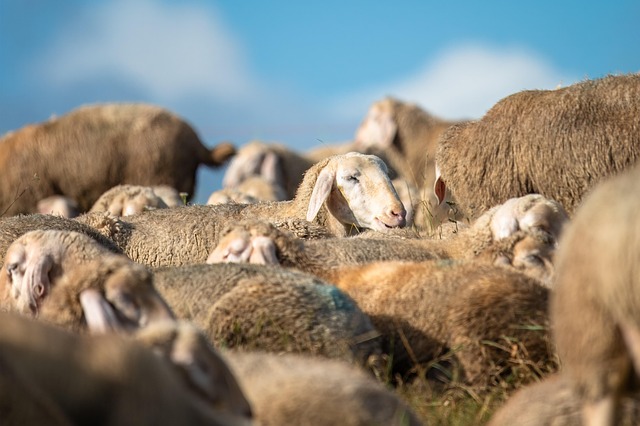
Images are used to show sheep, wool handling, and rolling hills so visitors understand the setting. Visuals are kept informational, with clear labels and accessible alt text.
Click and hover interactions highlight key concepts without forcing signups. Pop up windows are optional and never block reading or navigation.
Clear business identity, legal pages, cookie preferences, and non sensational language help ensure a consistent landing page experience for Google Ads and Meta Ads campaigns.
Use the site as a structured way to learn the production chain and evaluate opportunities. The steps below mirror a typical research journey for an Ireland aligned sheep farming investment review.
Read the investment overview to understand common farm models, output channels, and the kinds of assumptions that should be documented before making commitments.
Use pricing context cards to learn what tends to move wool values and how quality and handling can influence outcomes. This section is educational and not a forecast.
Click through each stage from shearing to storage. Each node includes practical tips and common pitfalls to look for during visits or partner reviews.
Open the sustainable grazing pop ups to see what good pasture recovery can look like. Use them as a checklist for land health and animal welfare observations.
Select a stage to see a short explanation. This is a high level educational diagram that helps link operational steps to quality outcomes, without implying guaranteed results.
Click a stage above to see a concise explanation of what typically matters at that point of the wool pathway.
These cards explain common factors discussed in Irish wool pricing and sale outcomes. They are not a promise of returns and are not a live market feed. Use them as a guide for what to ask about during due diligence.
Buyers often value consistent lines because processing is easier. Mixed lengths and uneven preparation can lower interest.
Sorting method, labelling, and whether different fleece types are separated.
Plastic twine, paint marks, and vegetable matter are common value reducers. Clean handling is a controllable input.
Use of wool packs, storage hygiene, and shearing board cleanliness.
Collection routes, storage time, and moisture management can affect sale readiness. Delays can increase risk of quality loss.
Ventilation, bale labelling, and planned sales channel timelines.
Demand varies by processing needs, including insulation, textiles, and blends. Knowing likely buyers can clarify realistic pricing bands.
Target outlets, buyer specs, and documentation supporting traceability.
Sheep enterprises in Ireland can connect to two output streams: wool as a fiber product and lamb as a food product. From an investor perspective, this can support diversified operational planning, where improvements in pasture management, animal welfare routines, and handling practices contribute to overall resilience. Wool is influenced by quality and preparation, while meat performance is linked to flock health, grazing discipline, and timing decisions. Divarnuk helps you frame benefits as operational levers: better pasture recovery can improve forage availability, consistent handling can reduce wool contamination, and transparent record keeping can support more informed partner relationships.
None of these points guarantee profitability. They describe practical areas where management decisions can influence outcomes, which is useful for comparing opportunities and documenting assumptions.
Click a topic to open a short pop up window. The goal is to explain what sustainable grazing can mean in day to day management, with observations you can verify on site.
Sustainable grazing is often described in broad terms, but for investors it becomes practical when linked to measurable routines. Pasture rest periods help plants regrow and can reduce pressure on soil structure. Thoughtful access to water and gateways reduces erosion and helps keep animals cleaner, which can indirectly support fleece handling. Biodiversity in swards can improve resilience across wet and dry periods, although it requires observation and adaptive management rather than fixed rules. Welfare and handling practices influence stress and condition, affecting productivity and outcomes across both wool and meat streams.
These practices do not guarantee performance. They provide a clearer operational baseline that can be assessed during due diligence and monitored over time.
Ask for a simple grazing plan that shows paddock movement, rest targets, and how decisions change with weather. Clear plans are easier to evaluate than broad claims.
Visual references for pasture and flock handling concepts.

Rest and rotation help protect sward recovery.
Dry, labelled storage supports traceability and quality control.
Straightforward answers to common questions about sheep farming, wool production, and responsible investment research.
No. Divarnuk provides educational information about sheep farming operations in Ireland, wool handling, and market context. It does not provide financial, legal, or tax advice, and it does not guarantee returns.
Common factors include cleanliness, contamination control, consistency of lines, staple characteristics, storage conditions, and buyer specifications. Market conditions also change, so it is useful to treat pricing as variable rather than fixed.
Grazing plans that include rest periods and careful stocking can support pasture recovery and reduce soil damage, especially in wet conditions. This can help stabilize forage availability and reduce avoidable stress in the system.
No. The content is written in plain language. You can start with the interactive wool flow to learn basic stages, then use the pricing cards to understand what questions to ask when reviewing an operation or partner.
This page does not require a signup form. We may use cookies for essential functionality and, if you consent, analytics and advertising measurement as described in our Privacy page.
Visit the About page for our purpose and editorial approach, the Investment page for research frameworks, the Sustainability page for grazing explainers, and the Pricing page for market context.
The information on this website is for informational and educational purposes only and does not constitute financial, legal, tax, or investment advice. Any references to markets, pricing, or operational performance are provided for general context and may not reflect current conditions. Agriculture involves material risks, including weather variability, disease, market changes, regulatory requirements, and operational constraints. You should conduct independent due diligence and, where appropriate, consult qualified professionals before making investment decisions.
Divarnuk provides educational guidance and does not represent a broker, lender, or guaranteed investment product.
Always verify farm records, animal health plans, land condition, and contractual terms directly with relevant parties.
Past performance or examples do not predict future outcomes. Plan for variability and uncertainty.
Treat these points as observation prompts for farm visits and partner discussions. They help translate broad sustainability claims into verifiable routines and records.