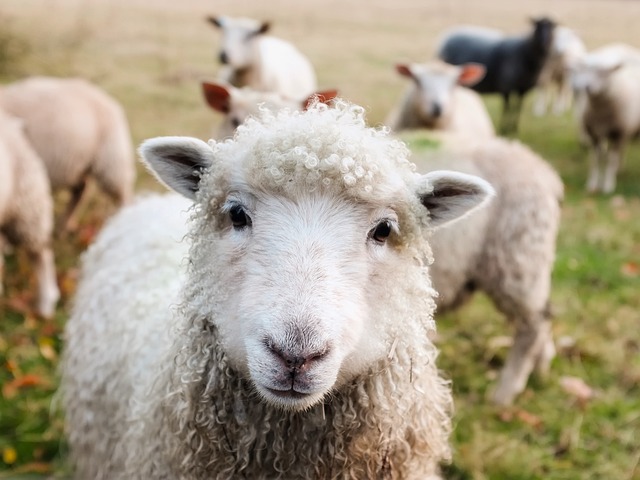
Land, flock plan, handling routines, and route to market.
Quality is influenced by handling and storage, not only breed.
Performance links to health routines, forage, and timing.
Investment overview (educational)
Sheep farming investment analysis works best when it starts with operational reality rather than headline pricing. In Ireland, a typical enterprise connects land capability, forage planning, and flock management to two broad output streams: wool and lamb. Wool is heavily affected by preparation and contamination control, while lamb output is influenced by flock health, grazing strategy, and timing decisions. These streams are connected, not separate. For example, wet ground handling and infrastructure choices affect cleanliness, and pasture recovery affects animal condition.
Divarnuk encourages an assumption led approach. Document what the operation can control (stocking rate strategy, grazing rotations, shearing and storage routines, labour availability, infrastructure condition, and record keeping). Then document what it cannot control (weather, market movements, disease pressure, and regulatory requirements). A responsible investment review tests both, and uses scenarios rather than a single best case.
Route to market
Identify how wool is collected and sold, what specifications buyers expect, and what documentation supports traceability. For lamb, clarify sales channels and the timing decisions that influence weights and scheduling.
A clear route to market can reduce reliance on vague assumptions and improve planning conversations.
Infrastructure and labour
Handling facilities, fencing, water systems, and storage space have direct effects on welfare, pasture protection, and wool cleanliness. Labour constraints shape what routines are realistic in busy periods.
Evaluate the condition of existing assets and the plan for maintenance and upgrades.
Weather and variability
Irish conditions can shift quickly. Wet ground increases poaching risk and can affect animal cleanliness and movement. A plan for adverse weather is part of resilience.
Ask what the farm does when plans change and which decisions are made first.
Benefits you can evaluate (not promises)
When investors mention benefits of sheep farming in Ireland, they often refer to the ability to plan across both wool and meat outputs, the role of pasture based systems, and the potential value of good land stewardship. Divarnuk treats these as items to evaluate rather than slogans. For example, diversified output can be assessed by asking for a documented wool handling routine and a realistic lamb sales calendar. Pasture based systems can be evaluated by checking fencing condition, water access, and evidence of rest periods. Stewardship can be evaluated with photographs over seasons, records of reseeding or repair work, and a plan for wet ground management.
Due diligence checklist
Use this checklist to structure conversations and site visits. It is designed to be practical and verifiable, with no requirement for personal data collection or signups.
Operational items to verify
Look for specific routines and records rather than broad confidence. A strong operator can explain what they do when conditions are unfavorable, and how they verify quality at each step of the process.
Risk factors to include in scenarios
Agriculture outcomes can vary. Scenario thinking helps you avoid over-reliance on a single estimate. Consider documenting best, base, and cautious scenarios for wool quality, lamb performance, and cost changes. The aim is clarity, not certainty.
Weather variability
Extended wet periods can reduce grazing days, increase poaching, and add labour. Include practical mitigation costs such as repairs and alternative grazing moves.
Health events
Parasites, lameness, and disease pressures can change performance. Ask about routine monitoring and what triggers intervention.
Market movement
Wool and lamb markets can change. Use pricing context as education, then stress test your plan against lower demand or slower logistics.
Input cost changes
Labour, fuel, transport, and infrastructure repairs can vary. Record which costs are fixed and which are sensitive to volume or weather.
A practical way to run scenarios
Choose a small set of assumptions and vary them intentionally. For example, run one scenario with higher wool contamination risk (more time in storage, poorer handling conditions), one with lower lamb weights due to weather limiting grazing days, and one with increased repair costs after a wet season. Compare how sensitive your plan is to each driver. This approach makes it easier to see where better management, infrastructure, or partner capability can reduce exposure.
FAQ
Common questions about evaluating sheep farming opportunities without relying on exaggerated claims.
Does Divarnuk offer investment products or accept deposits?
Does Divarnuk offer investment products or accept deposits?
No. Divarnuk provides educational information and frameworks. We do not sell investment products, accept deposits, or provide individualized financial advice.
What should I ask about wool quality before investing?
What should I ask about wool quality before investing?
Ask how wool is handled at shearing, whether skirting and sorting are done consistently, how contamination is prevented, and how wool is stored and labelled. Focus on routine and evidence.
Why is grazing management part of investment analysis?
Why is grazing management part of investment analysis?
Grazing decisions affect forage availability, animal condition, wet ground damage, and labour needs. This influences both welfare and operational resilience, which investors can evaluate through plans and observations.
Do pricing trends guarantee future outcomes?
Do pricing trends guarantee future outcomes?
No. Pricing context is provided to explain common drivers and questions. Markets can change due to many factors. Use scenarios and avoid relying on a single pricing assumption.
Disclaimer
The information on this website is for informational and educational purposes only and does not constitute financial, legal, tax, or investment advice. Any references to markets, pricing, or operational performance are provided for general context and may not reflect current conditions. Agriculture involves material risks, including weather variability, disease, market changes, regulatory requirements, and operational constraints. You should conduct independent due diligence and, where appropriate, consult qualified professionals before making investment decisions.