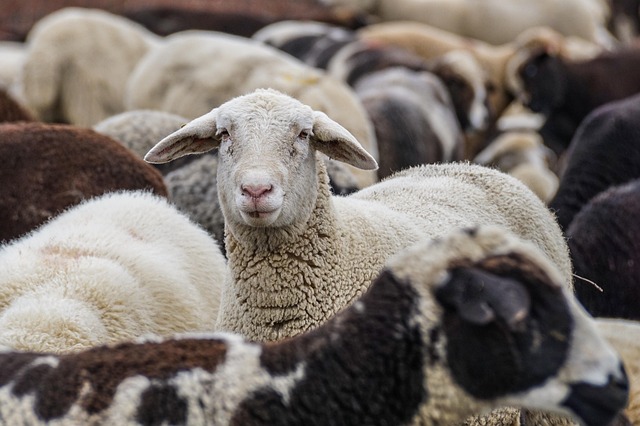
A visual reminder that land condition and welfare routines are connected.
Reduce poaching at gateways, troughs, and high traffic paths.
Repeatable checks that support animal condition and calm handling.
A grounded sustainability framework
For sheep farming, sustainability is often described as a mix of land health, animal welfare, and operational continuity. In Ireland, where rainfall patterns and soil conditions can shift quickly, resilient grazing systems depend on decisions that can be seen in the field: how long paddocks are rested, how animals access water, how gateways hold up after wet weeks, and how the farm responds when grass growth slows. A sustainability approach that is useful for investors should reduce ambiguity. It should translate into a plan, a set of routines, and evidence that the team adjusts to conditions rather than forcing a fixed schedule.
This page organizes the most common areas to review. You will find rotational grazing explainers, soil protection checks, and welfare routines that support productivity without relying on aggressive inputs or unrealistic assumptions. You will also see how wool handling hygiene fits sustainability. Clean storage and reduced contamination can lower waste, improve traceability, and support clearer marketing decisions. Use these sections to form a practical checklist for site visits and partner conversations.
Pasture rotation
Rotations with rest periods help protect regrowth and reduce overgrazing. A clear plan also makes labour, fencing, and monitoring needs easier to evaluate.
Look for movement triggers that relate to grass condition, not just calendar dates.
Soil and water points
Gateways, tracks, and trough areas often show whether the system protects soil structure. Practical improvements can reduce erosion and muddy congregation zones.
Ask how heavy-use areas are managed after prolonged rainfall.
Records and routines
Sustainable systems tend to be repeatable. Welfare checks, dosing plans, foot monitoring, and grazing notes reduce dependence on memory and improve continuity.
Consistent records also support clearer investor and partner reporting.
Pop up explainers you can use on site visits
Click a topic to open a concise pop up window. Each one includes what it means in practice, why it is commonly reviewed, and what evidence you can look for without specialist equipment.
Field checklist for sustainability reviews
Use this as a practical checklist when visiting a farm or reviewing a partner operation. It is designed to support consistent observation rather than one-off impressions. The goal is to see whether sustainability claims match daily systems.
- Grazing plan: documented rotation or movement logic, including what changes when grass growth slows.
- Wet weather response: evidence of protecting heavy-use areas, with repairs or mitigation after the season.
- Animal monitoring: routine checks for condition and feet, and a clear handling setup that supports calm movement.
- Wool hygiene: clean storage area, labelled packs, and practices that reduce plastic contamination.
- Record keeping: simple, consistent records that show continuity when staff change or seasons vary.
Sustainability checks help reduce uncertainty by showing whether operational systems are likely to hold up under real conditions. This can support better budgeting for infrastructure, labour, and maintenance.
How sustainability connects to wool and lamb outcomes
Wool and lamb outputs are often discussed separately, but they share the same operational foundation. When pasture is protected, animals have steadier access to forage, which supports condition and reduces avoidable stress. Calm handling facilities and repeatable welfare routines reduce disruption around gathering, dosing, and shearing. For wool, hygiene steps such as keeping plastic away from fleece lines and storing packs in dry spaces can reduce contamination and wasted effort. For lamb, a predictable grazing plan supports planning for finishing periods and reduces sudden feed gaps.
For investors, the key is not a promise of premium pricing. It is the ability to see whether systems are in place to protect quality and continuity. Farms with clear routines can be easier to monitor and may be better positioned to adapt when weather, labour, or market conditions change. Use the investment section to integrate these observations into scenario planning and documentation.
Better handling and storage can reduce wool contamination and the need to discard lines. That is an operational efficiency, not a guarantee of higher prices.
Rotational systems and routine monitoring can support clearer labour and infrastructure planning across the season.
Visible systems for wet conditions and heavy-use areas can reduce long-term land damage that may otherwise require costly remediation.